- Details
- Hits: 1692
Patients might read a lot about the materials of dental implants. The decision lies at the dentist, your doctor, but (s)he might consider several aspects, including your view or personal conditions.
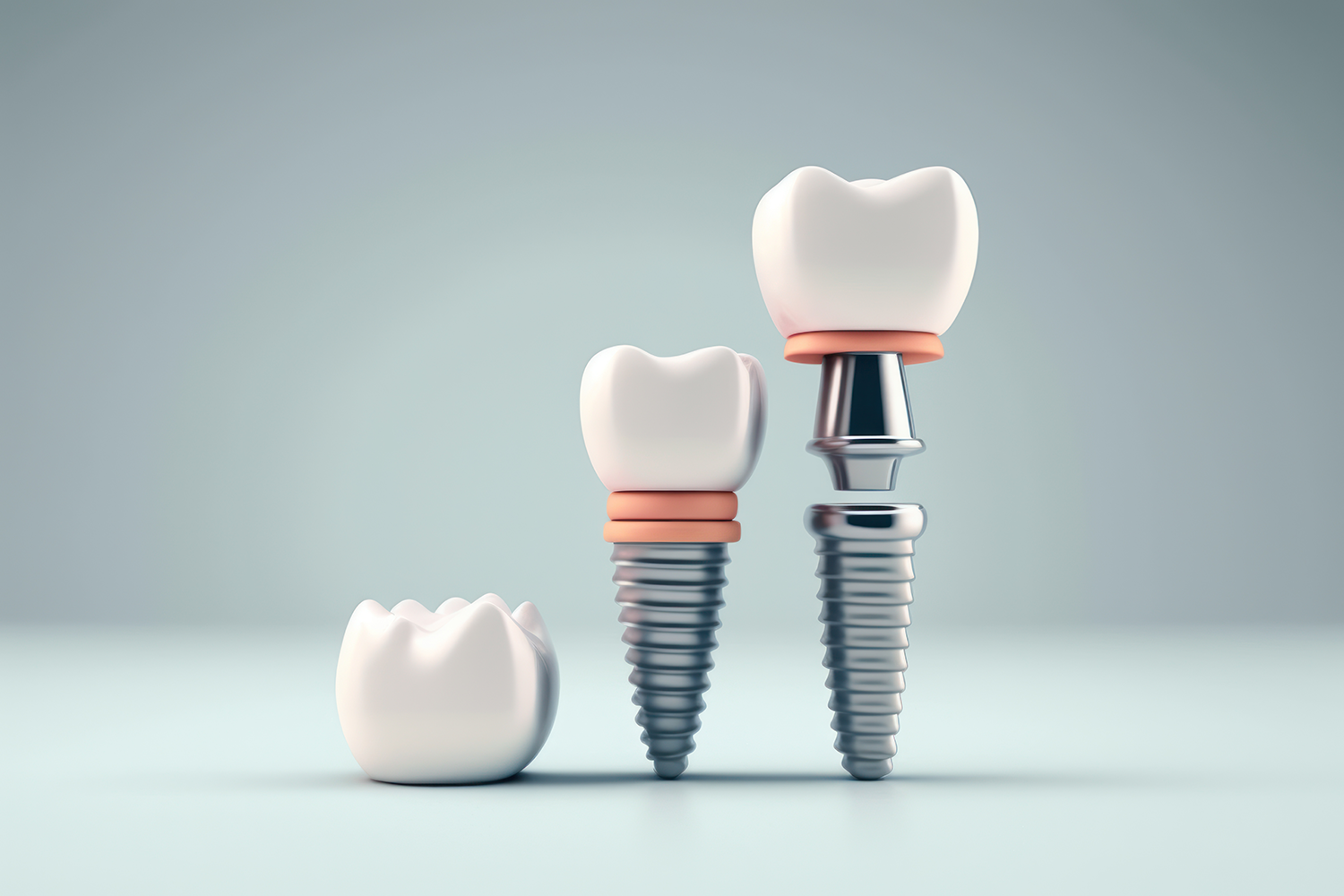
Both titanium and zirconium are common materials for dental implants, each with their own advantages.
Titanium implants:
- Biocompatibility: Titanium is characterized by high biocompatibility, which means that it is well tolerated by the body and less likely to cause allergic reactions or rejections.
- Osseointegration: Titanium implants have a strong ability to integrate with the surrounding bone (osseointegration), providing a stable foundation for the implant-supported restoration.
- Longevity: Titanium implants are known for their longevity and long-term success rates.
- Proven track record: Titanium implants have been used in dentistry for decades and have a well-established track record.
- Various designs: There are different designs and types of titanium implants that allow customization according to the patient's needs.
Zirconium implants:
- Aesthetics: Zirconium implants are white and more closely resemble natural teeth, making them preferred for patients with thin or translucent gums.
- Biocompatibility: Although not as extensively studied as titanium, zirconium is generally considered biocompatible and less likely to cause allergic reactions.
- Holistic approach: Zirconium implants are sometimes preferred by patients who want a metal-free option due to holistic or health concerns.
- Low thermal conductivity: Zirconium has lower thermal conductivity compared to metal, which means it may transmit less temperature sensitivity to the surrounding tissue.
- Potential for gum reaction: Some believe that zirconium implants have the potential for a healthier gum reaction due to their non-metallic nature.
It is important to note that the choice between titanium and zirconium implants should be made in consultation with a dental professional based on individual patient factors such as oral health, bone structure, esthetic preferences and health considerations. Both materials have their own advantages, and the choice depends on the patient's specific needs and priorities.
- Details
- Hits: 1711
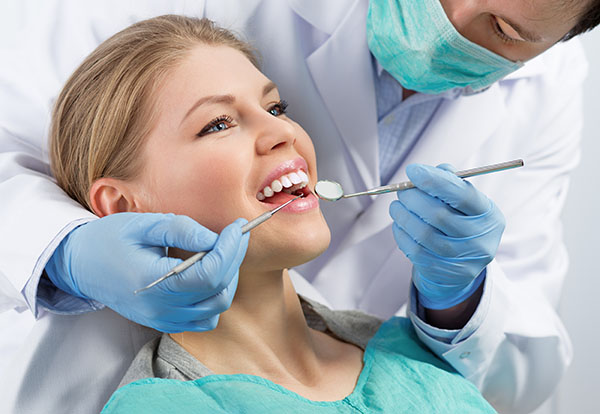
Regular dental screenings, often referred to as dental check-ups or dental examinations, are crucial for several reasons. Here's why:
-
Early Detection of Dental Issues: Regular screenings can identify issues like cavities, gum disease, and even oral cancer at an early stage. Early detection often leads to simpler, less invasive, and more cost-effective treatments.
-
Prevention of Gum Disease: Dental check-ups include a cleaning that can remove tartar and plaque, the main culprits behind gum disease. Regular cleanings can prevent the onset of gingivitis and more severe periodontal diseases.
-
Oral Cancer Detection: During your check-up, the dentist will also screen for signs of oral cancer, a serious and potentially deadly disease that can be treated most effectively when caught early.
-
Maintaining Good Oral Hygiene: Regular cleanings help maintain a healthy mouth, ensuring that teeth are free from plaque and tartar build-up which can lead to cavities.
-
Checking Bad Habits: Dentists can identify signs of teeth grinding, clenching, and other bad oral habits. This can prevent further damage and lead to recommendations for treatment or lifestyle changes.
-
Examining Jaw and Bite: Regular screenings can ensure that your jaw and bite are aligned properly. Issues like temporomandibular joint disorder (TMJ) can be spotted and treated before they become more severe.
-
Maintaining Overall Health: Poor oral health has been linked to a variety of health concerns, including heart disease, stroke, diabetes, and more. Regular dental screenings can help maintain not only good oral health but also overall health.
-
Spotting Hidden Problems with X-rays: One of the key parts of a regular dental visit is getting X-rays to check for decay between teeth and other issues that aren't visible to the naked eye.
-
Replacing or Repairing Dental Work: Fillings, crowns, bridges, and other dental work don't last forever. During a dental exam, the dentist can identify work that needs to be replaced or repaired.
-
Saving Money in the Long Run: By identifying and addressing potential issues early, you can often avoid the need for more complex and expensive procedures in the future.
-
Fresh Breath: Regular cleanings help prevent persistent bad breath (halitosis) by ensuring that your mouth is as clean as possible.
-
Education: A regular visit to the dentist gives you an opportunity to learn about proper oral care, new techniques in brushing or flossing, or products that might benefit your specific oral health needs.
In essence, regular dental screenings are preventive measures that ensure the health of your teeth and gums while potentially averting more severe dental and health issues in the future.
- Details
- Hits: 1641
Dental implants can offer numerous benefits for patients, even those who are afraid of dentists. Addressing such fears requires understanding and a gentle approach, highlighting the advantages while emphasizing the comfort and long-term benefits. Here's a list of benefits tailored for someone who may be apprehensive about the dentist:
-
Permanent Solution: Unlike dentures that need to be removed and cleaned daily, dental implants are a permanent solution for missing teeth. Once they're in place, they function just like natural teeth.
-
Look and Feel Natural: Implants are designed to look, feel, and function like your natural teeth. This means that once the procedure is done, you can eat, speak, and smile with confidence.
-
Prevention of Bone Loss: When a tooth is lost, the jawbone in the empty space deteriorates due to the lack of stimulation. Implants provide that stimulation, preventing bone loss.
-
No Cavities: Implants themselves cannot get cavities. However, it's still crucial to maintain good oral hygiene around the implant to ensure the health of the surrounding gums.
-
Predictability and Success Rate: Dental implant procedures have a high success rate, making them a reliable solution for tooth replacement.
-
Less Disruption to Adjacent Teeth: Unlike dental bridges, implants don’t require grinding down adjacent teeth, preserving the natural tooth structure.
-
Improved Oral Health: With implants, you can easily floss and brush as you would with your natural teeth, leading to better oral health.
-
Facial Structure Preservation: Implants help maintain the integrity of your facial structures by preventing potential bone resorption (bone loss) which could lead to a collapsed appearance.
-
Comfort: After the initial healing period, dental implants become a comfortable part of your mouth, eliminating the discomforts that sometimes come with removable dentures.
-
Safety and Sedation Options: For patients who are anxious, many dental offices offer sedation dentistry, allowing the patient to be relaxed or even asleep during the procedure. Discussing these options can alleviate some of the fear.
-
One-time Procedure: After the initial series of appointments to plan and place the implant, and then to place the crown, there's no need for repeated visits related to the implant. This can be comforting for those with dental anxieties, knowing they won't have to come back frequently for adjustments.
-
Cost-Effective in the Long Run: While the upfront cost might be higher than other tooth replacement options, dental implants can last a lifetime if maintained properly. This makes them more cost-effective in the long run, as opposed to bridges or dentures that may need replacement or frequent adjustments.
Addressing the fear of dentists directly can also be beneficial. It's always recommended to have a thorough discussion with the dentist or oral surgeon beforehand, ask questions, express concerns, and perhaps even consider a consultation with a therapist or counselor who specializes in phobias to help manage the fear.
- Details
- Hits: 1820
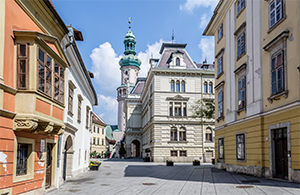
Sopron, a picturesque town in Hungary close to the Austrian border, has over the years become a renowned hub for dental tourism. Several factors have contributed to Sopron's popularity as a preferred destination for dental treatments:
-
Cost-effective treatments: Dental services in Sopron are often much cheaper than in many Western European countries, North America, or other parts of the world. Despite the lower costs, the quality of care is not compromised, making it an attractive option for patients looking for affordable dental care.
-
High standards and expertise: The dentists in Sopron are well-trained and many have received part of their education in Western countries. The clinics are equipped with modern technology and adhere to European standards, ensuring that patients receive top-notch treatment.
-
Location and accessibility: Sopron's proximity to the Austrian border means that it's easily accessible for many Western Europeans, especially Austrians. The excellent transportation links, including the nearby Vienna International Airport, make it convenient for international visitors.
-
Comprehensive services: Many dental clinics in Sopron offer a full package to their international patients. This often includes assistance with travel arrangements, accommodation, and even local sightseeing. Such packages make the entire experience stress-free for patients traveling for dental treatments.
-
Cultural and historical appeal: Sopron is not just a dental hub; it's a historic town with a rich cultural heritage. Its charming old town, Gothic churches, and scenic beauty offer an added incentive for visitors. This allows patients to combine their dental treatments with a leisurely vacation.
-
Multilingual staff: Recognizing the international clientele, many clinics in Sopron have multilingual staff, ensuring clear communication and understanding for patients from various countries.
-
Word-of-mouth and reputation: Over the years, many individuals have had positive experiences in Sopron and have shared their stories with friends and family. This word-of-mouth marketing, combined with a growing number of positive online reviews, has further boosted the town's reputation in dental tourism.
-
EU Membership: As a member of the European Union, Hungary is subject to the bloc's regulations and standards, which boosts the confidence of patients from other EU countries in seeking treatment there.
-
Insurance and reimbursement: In some cases, insurance companies from Western countries may cover dental treatments done in Sopron, or patients can get partial reimbursements, making the treatment even more affordable.
Due to these factors, many people find Sopron a compelling choice for their dental needs, leading to its reputation as one of the world's premier dental tourism destinations.