


- Details
- Hits: 2846
In the context of dentistry, a "Provisorium" (also commonly referred to as a provisional or temporary restoration) is essentially a temporary solution used to protect a tooth or teeth that have undergone some form of treatment, like root canal therapy or preparation for a crown. These temporary restorations are used for a variety of reasons:
-
Protection: After tooth preparation, the exposed area might be sensitive and susceptible to damage. A provisorium acts as a shield, protecting the tooth from further harm.
-
Aesthetic Purposes: If the tooth that is being treated is in a visible area, a temporary restoration can offer a more aesthetic look than having a missing or compromised tooth.
-
Functional Purposes: A provisorium helps in maintaining the functionality of the teeth, allowing the patient to eat and speak relatively normally while waiting for the permanent restoration to be completed.
-
Tissue Management: It helps in shaping the gums and surrounding tissues in a way that will make it easier to fit the permanent restoration later on.
-
Testing: Sometimes, the provisorium serves as a kind of trial run, letting both the dentist and patient see how the permanent restoration might look and feel.
-
Prevention of Tooth Migration: When a tooth is removed or altered, adjacent teeth may start to move into the empty space. A provisorium helps maintain the correct spacing.
It is usually made of materials like acrylic or composite resins, which are less durable and are meant to last only for a short period. It's critical to follow your dentist's advice on how to care for your provisorium, including dietary restrictions and cleaning methods, to ensure that it serves its purpose effectively until the permanent restoration is ready.
After the permanent restoration is ready, the provisorium is removed and the final, more durable material is placed, offering a long-term solution for the treated tooth.
If you have specific concerns or questions about provisoriums in dental treatment, it would be best to consult your dentist for personalized advice.
- Details
- Hits: 1747
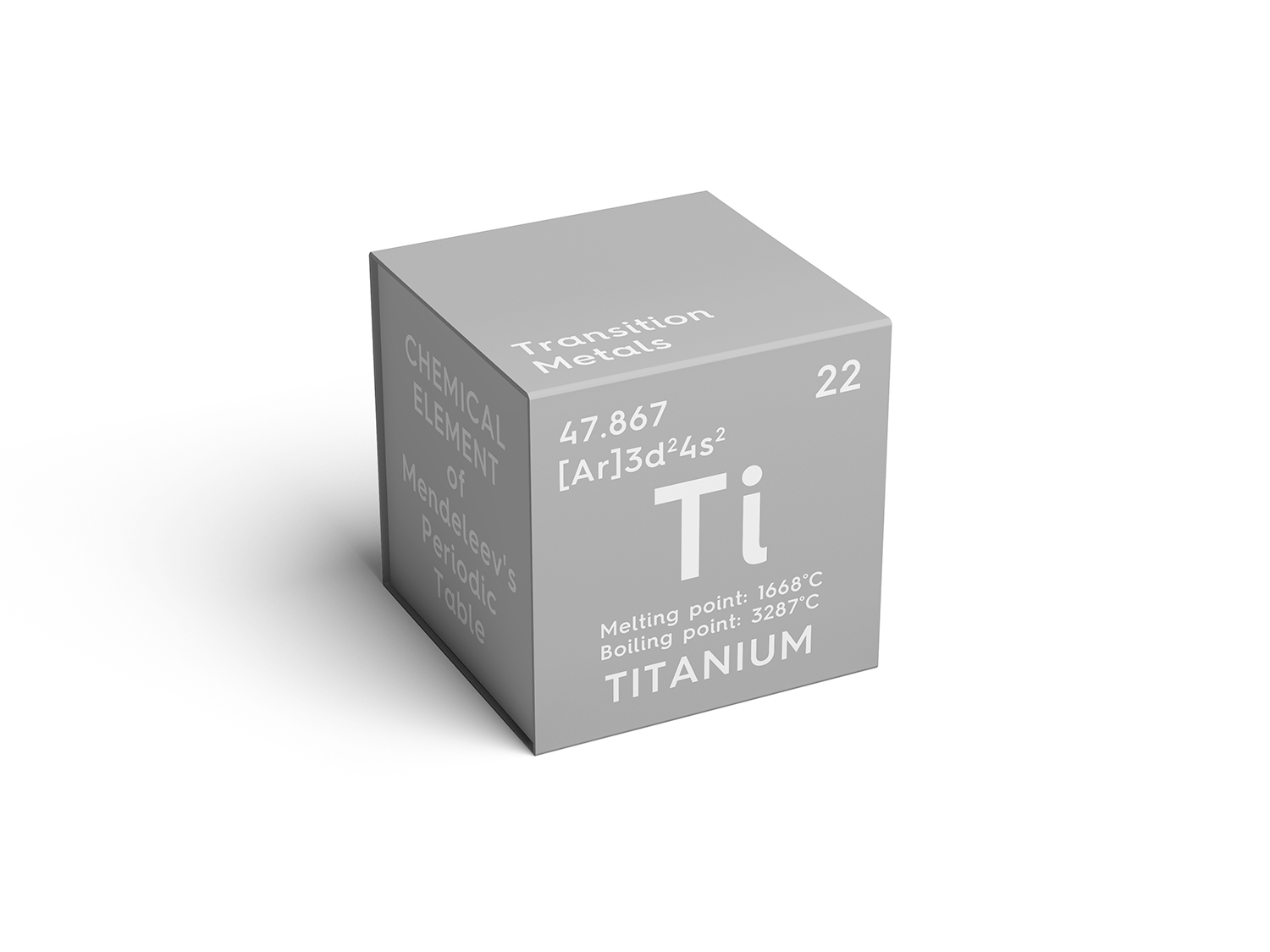
Titanium is considered the material of choice for dental implants for several reasons:
Biocompatibility
Titanium is highly biocompatible, meaning it is not rejected by the body and has a very low risk of causing an allergic reaction. This is critical for any material that is to be implanted into the body.
Osseointegration
Titanium has the unique ability to osseointegrate, or fuse directly with the bone in the jaw. This means that over time, the implant and the bone become a single, solid structure, providing a stable foundation for a crown, bridge, or denture.
Mechanical Properties
Titanium is incredibly strong and durable, yet it also has a certain degree of elasticity. This balance allows it to withstand the intense pressures and forces exerted during activities like chewing and speaking, without being so rigid that it causes damage to surrounding bone structure.
Corrosion Resistance
Titanium is highly resistant to corrosion, including resistance to bodily fluids and the acidic environment inside the mouth. This durability is vital for the long-term success of a dental implant.
Lightweight
Despite its strength, titanium is relatively lightweight, which is an advantage in terms of the comfort and ease of insertion during the surgical procedure.
Versatility
Titanium implants can be fabricated in different shapes and sizes, allowing for customized treatment plans. They can also be coated with materials that encourage faster osseointegration or reduce the risk of infection.
Proven Track Record
Titanium dental implants have been widely researched and have a long history of successful outcomes. Their safety and efficacy have been well documented in scientific literature.
Biologically Inert
Titanium does not react with medications and is not affected by thermal changes, making it an ideal material for use in the human body.
Because of these unique properties, titanium has been the go-to material for dental implants for several decades. Its combination of strength, biocompatibility, and durability make it ideal for this application.

- Details
- Hits: 1612
We know that aesthetics are very important to our patients. We are always recommending all available tools to improve oral health of all our patients. However there is one treatment we do not do, which is teeth whitening. There are several reasons why we are not carrying out such treatments and there are very advanced methods for teeth whitening. Despite this we do not recommend at our clinic teeth whitening to our patients.
Teeth whitening is a commonly requested dental service, but it's worth noting that some dentists, including us, may exercise caution in recommending it. The reasons vary and are often based on individual medical histories and the condition of one's teeth and gums. However, here are some general concerns that dental professionals have:
-
Tooth Sensitivity: The bleaching agents used can make teeth and gums more sensitive, which may be problematic for individuals who already experience sensitivity.
-
Uneven Whitening: Teeth have different shades and may not whiten uniformly. Dental work such as crowns, fillings, and veneers won't whiten, leading to a mismatched smile.
-
Gum Irritation: The whitening agents can irritate gums, leading to soreness or inflammation.
-
Risk of Overuse: Over-the-counter products, if misused, can lead to enamel erosion and other dental problems. Even professional treatments can cause issues if done excessively.
-
Underlying Issues: Whitening can mask dental problems like cavities or gum disease that need attention. If these issues are not addressed first, whitening treatments could exacerbate them.
-
Temporary Results: Teeth whitening is not permanent. Teeth can become stained again, especially if one consumes a lot of staining foods and drinks, like coffee or red wine.
-
Not Suitable for Everyone: Not everyone is a good candidate for teeth whitening. Those with already thin enamel, receding gums, or sensitive teeth may be advised against it.
-
Interactions with Existing Dental Work: As mentioned earlier, existing dental work like crowns and fillings don’t respond to whitening agents the same way natural teeth do.
It's always best to consult with a qualified dentist to determine if teeth whitening is a good option for you. They can provide a comprehensive exam and suggest the most appropriate treatment based on your dental health.
- Details
- Hits: 1611
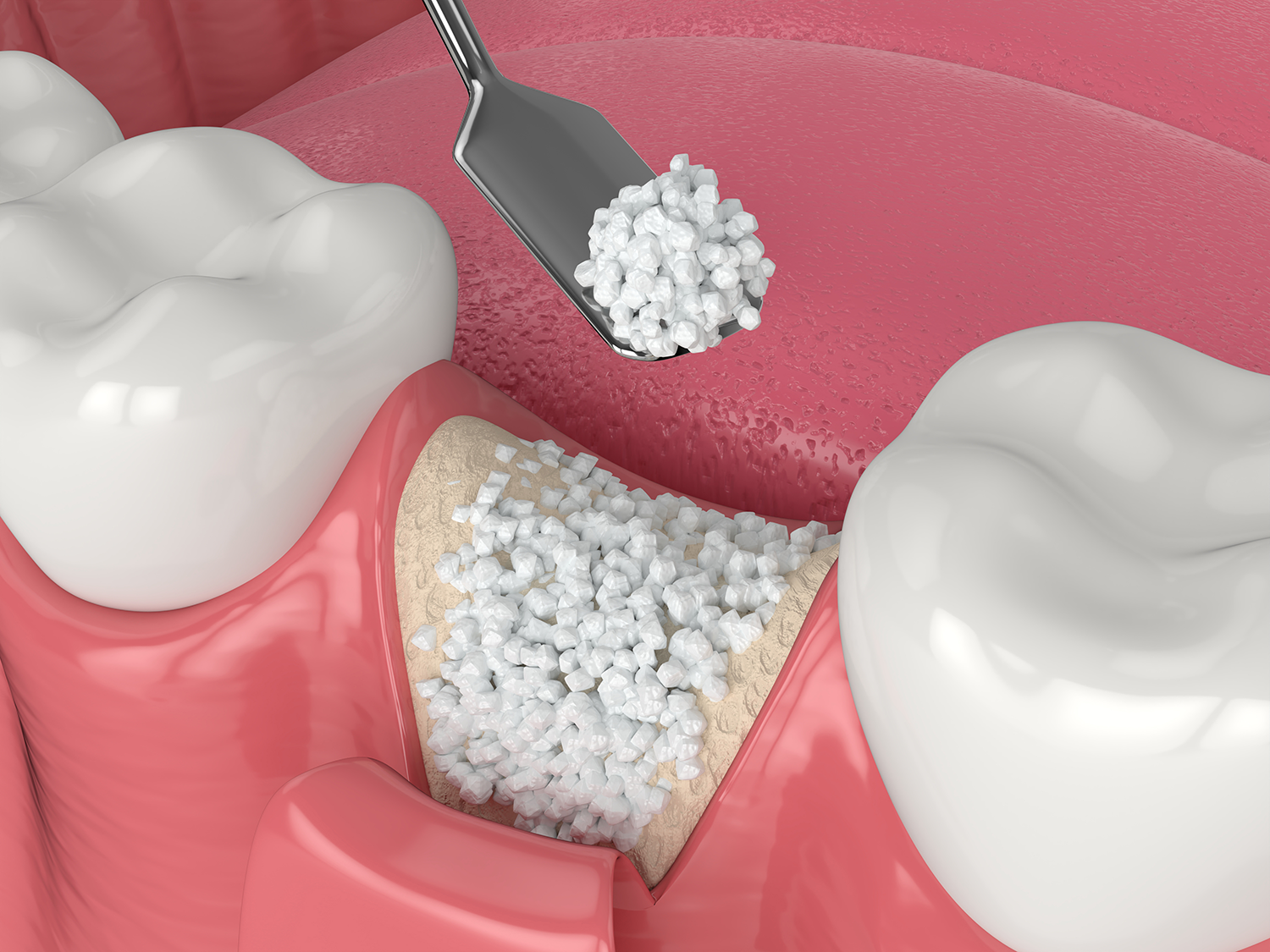
Bone augmentation is a dental procedure often required before a dental implant can be placed. If there is not enough bone mass in the jaw to securely anchor an implant, this procedure becomes necessary. During bone augmentation, either your own bone or synthetic bone material is added to the area where the implant will later be placed.
We understand that the thought of undergoing a dental procedure can be intimidating, but it's important to know that modern anesthesia techniques make the process as pain-free as possible. The procedure is usually done under local anesthesia, and in some cases, sedation can also be offered.
After the surgery, the bone requires a few months to heal and integrate with the existing bone. Only then can the dental implant be inserted.
This procedure has a very high success rate and enables many people to enjoy the benefits of dental implants, even if they initially lacked the necessary bone structure.
If you have further questions or concerns, it's best to discuss them with your dentist. They can evaluate the best options for your individual situation.

- Details
- Hits: 1559
All medical conditions need to be evaluated individually, but in general there are some principles when tooth implants might be recommended:
-
Missing Teeth: The most common reason for a dental implant is to replace one or more missing teeth.
-
Failed Bridge or Crown: If a previous dental restoration like a bridge or crown has failed or deteriorated, a dental implant may be a more permanent solution.
-
Unsuccessful Root Canal: If a tooth that has had a root canal fails to heal properly or becomes infected, an implant may be the next step after extraction.
-
Tooth Decay: Sometimes decay is so extensive that it is impractical or impossible to save the tooth using other treatments.
-
Fractured Tooth: A tooth that has fractured at or below the gum line may need to be extracted and replaced with an implant.
-
Bone Loss Prevention: Implants can help prevent or minimize bone loss that occurs when teeth are missing.
-
Denture Improvement: Implants can be used to stabilize or anchor a lower denture, making it more comfortable and functional.
-
Cosmetic Reasons: Some people choose dental implants for aesthetic reasons, especially if the missing tooth is visible when they smile or talk.
-
Oral Health: Missing teeth can cause a range of problems, including difficulties in eating or speaking and increased risk of gum disease and tooth decay. Implants can help restore normal function.
It's essential to consult with a qualified dental professional for an accurate diagnosis and treatment plan that suits your specific needs.


